
A strong perimeter wall starts from the ground up. While property owners often focus on the appearance, height, stones, blocks, gates and security features, the foundation is one of the most important parts of any perimeter wall construction project.
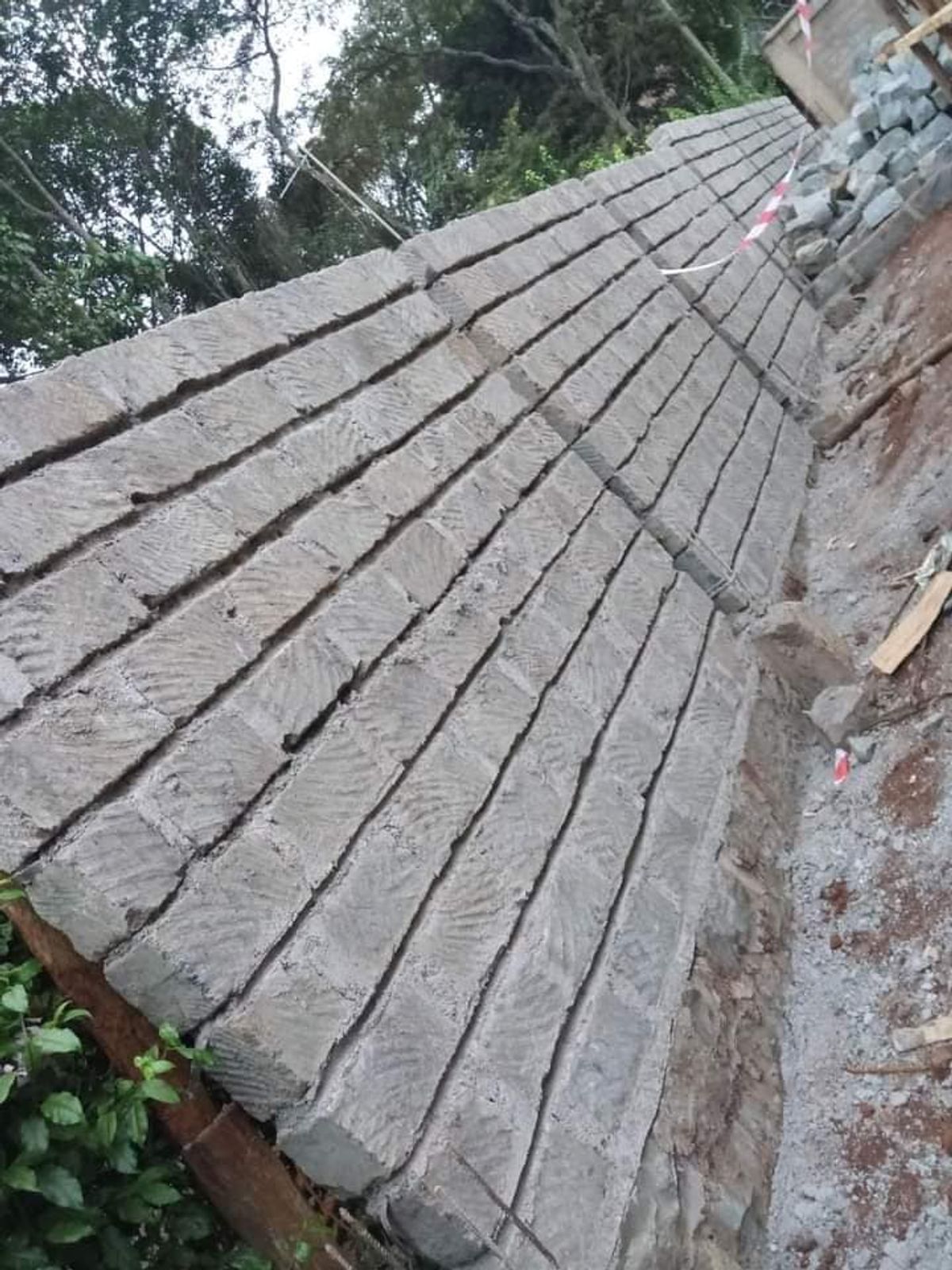
A poorly designed or constructed foundation can lead to cracks, settlement, leaning walls, water damage and, in severe cases, structural failure.
Before constructing a perimeter wall in Kenya, it is therefore important to understand the ground conditions and ensure that the foundation is properly designed and constructed.
At Wings Contractors, we approach perimeter wall construction with attention to site conditions, foundation requirements, drainage and structural stability.
1. Start with a Proper Site Investigation
Before excavation begins, the site should be assessed carefully.
A site investigation helps identify factors that can affect the stability and performance of the perimeter wall. These may include:
- Type and condition of the soil
- Groundwater conditions
- Existing drainage patterns
- Sloping or uneven ground
- Previous excavations or filled areas
- Nearby structures
- Underground services
- Soil erosion
- Existing boundary walls or foundations
The information gathered during the assessment helps determine the appropriate foundation approach.
Why Site Investigation Matters
Two properties located in the same neighborhood can have completely different ground conditions.
For example, one site may have firm, stable soil while another may contain loose fill, expansive clay or poorly compacted ground. Using the same foundation design without considering these differences can create problems later.
A professional contractor should therefore assess the site before recommending the construction method.
2. Understand the Soil Conditions
Soil conditions are a major factor in perimeter wall foundation design.
Different soils behave differently under loads and changes in moisture content.
Common Soil Conditions
Firm, stable soils:
These generally provide good support when the appropriate foundation depth and width are used.
Clay soils:
Clay can expand when wet and shrink when dry. This movement can contribute to cracking or settlement if the foundation is not properly designed.
Loose or sandy soils:
Loose soils may require additional consideration to provide adequate stability.
Black cotton soil:
Black cotton soil is particularly challenging because of its significant volume changes with moisture. Construction on such ground may require specialised foundation and soil treatment measures.
Filled or disturbed ground:
Areas that have been previously filled may have poor or inconsistent bearing capacity if the fill was not properly compacted.
For difficult sites, a qualified structural or geotechnical professional may need to provide additional recommendations.
3. Excavation: Getting the Foundation Depth Right
Once the foundation requirements have been established, excavation can begin.
The trench should be excavated to the required depth, width and alignment according to the design and site conditions.
The excavation should reach suitable bearing material rather than simply following an arbitrary depth.
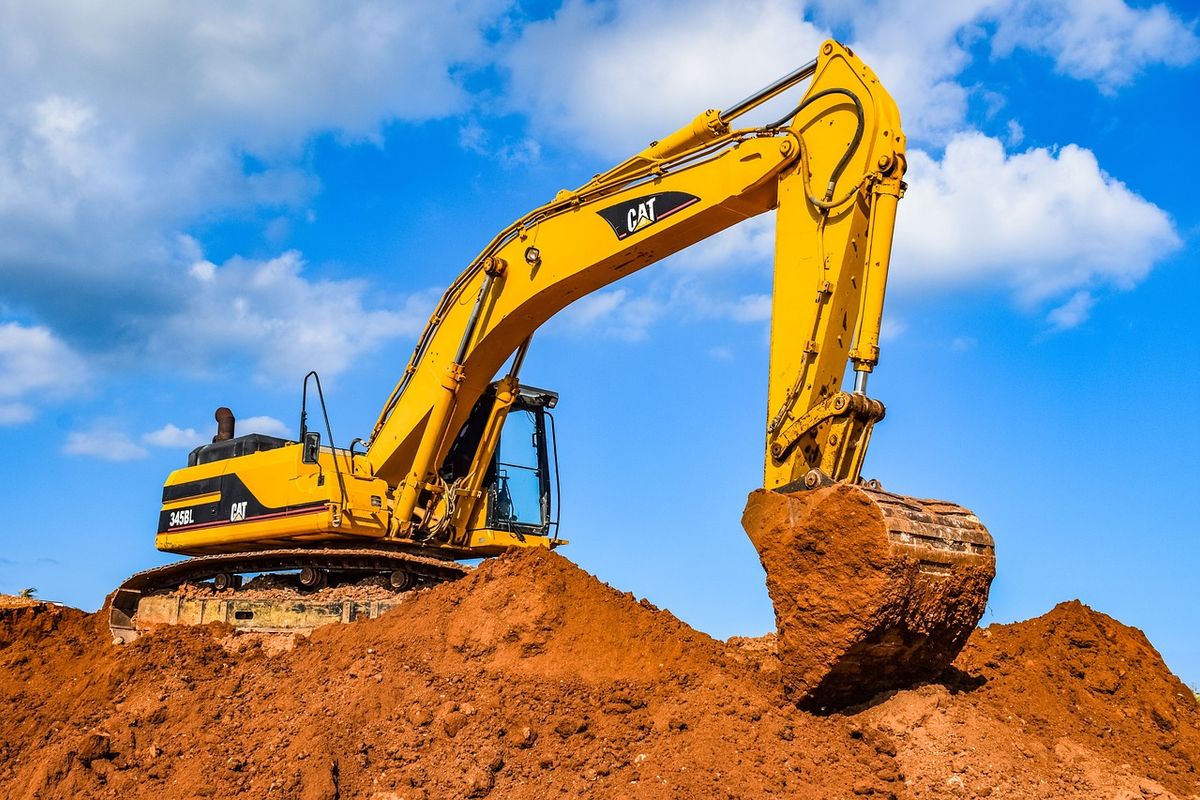
During excavation, the contractor should also look out for:
- Soft or unstable soil
- Water entering the trench
- Roots
- Existing foundations
- Underground pipes and cables
- Loose fill
- Signs of soil movement
Avoid Building on Unstable Ground
One of the common mistakes in perimeter wall construction is placing a foundation on loose or unsuitable material simply because it reduces excavation costs.
Saving money during excavation can result in expensive repairs later.
If unsuitable soil is encountered, the appropriate solution should be determined before construction proceeds.
4. Strip Foundations for Perimeter Walls
Strip foundations are commonly used for masonry perimeter walls because they provide continuous support beneath the wall.
The foundation distributes the load of the wall into the supporting ground.
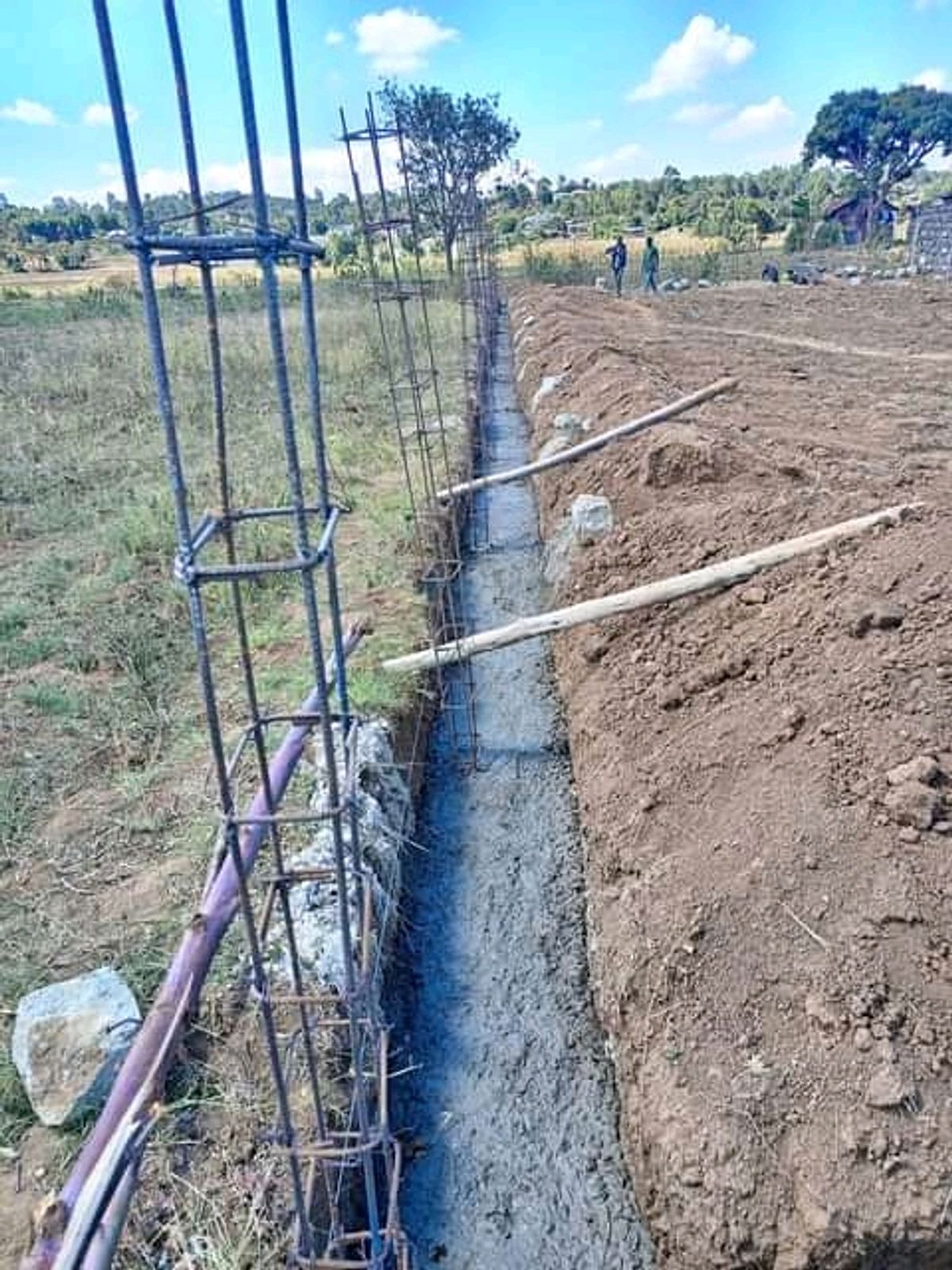
Depending on the wall design and ground conditions, the foundation may incorporate concrete, masonry and reinforcement as specified by the design.
The exact dimensions should not be based on a one-size-fits-all rule. Factors such as wall height, wall thickness, soil conditions, loads, ground levels and structural requirements should be considered.
What Makes a Good Strip Foundation?
A properly constructed strip foundation should have:
- Suitable founding depth
- Adequate width
- Properly prepared formation
- Appropriate concrete quality
- Correct reinforcement where required
- Good workmanship
- Proper alignment
- Adequate curing
The foundation should be constructed according to the approved design and relevant construction requirements.
5. Reinforcement: Don't Compromise on Structural Strength
For many perimeter walls, reinforcement plays an important role in controlling cracking and improving structural performance.
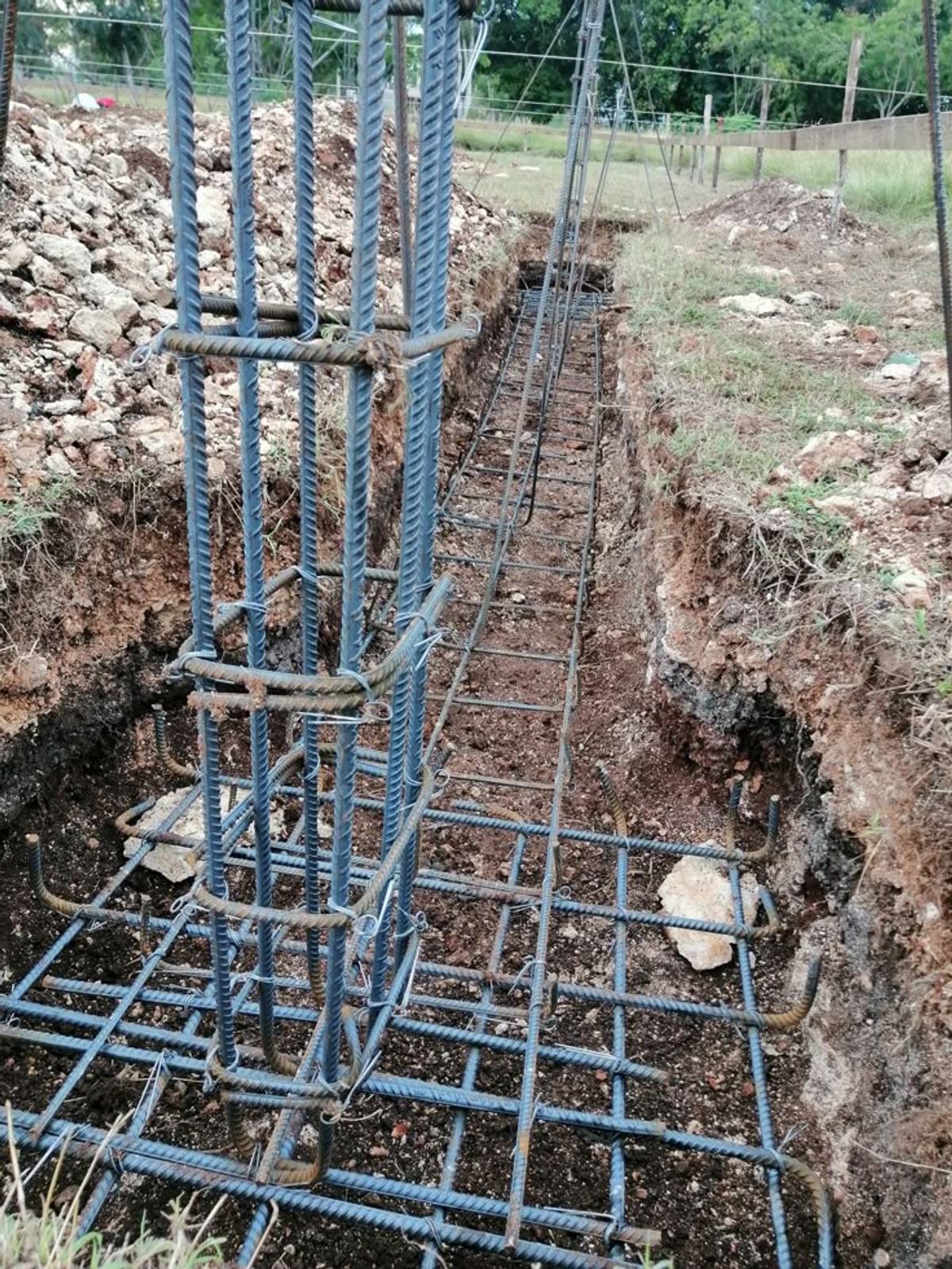
Depending on the design, reinforcement may be required in the foundation, reinforced concrete columns, beams, wall sections or other structural elements.
The reinforcement should be:
- Correctly sized according to the design
- Properly positioned
- Adequately supported
- Properly tied
- Provided with appropriate concrete cover
Simply adding more steel does not automatically make a wall stronger. Reinforcement must be designed and installed correctly.
For tall, heavily loaded or security-focused walls, structural design becomes particularly important.
6. Drainage Is Critical
Water is one of the major causes of problems around walls and foundations.
Poor drainage can result in:
- Soil erosion
- Foundation weakening
- Waterlogging
- Dampness
- Settlement
- Cracking
- Pressure against retaining walls
Before constructing the perimeter wall, the site's natural water flow should be considered.
Drainage Solutions
Depending on the site, drainage measures may include:
- Surface drainage channels
- Proper ground falls
- Stormwater management
- Weep holes where appropriate
- Subsoil drainage
- Backfilling with suitable material
- Properly compacted areas around the foundation
Drainage becomes even more important when constructing retaining walls or walls on sloping properties.
A wall can be structurally strong but still experience serious problems if water is allowed to accumulate around its foundation.
7. Common Perimeter Wall Foundation Mistakes
Many perimeter wall problems can be traced back to mistakes made during the foundation stage.
Mistake 1: Skipping Site Investigation
Starting construction without understanding the ground conditions can result in an unsuitable foundation solution.
Mistake 2: Using the Same Foundation for Every Property
There is no universal foundation design that works perfectly for every site.
The foundation should respond to the soil, wall design, site conditions and structural requirements.
Mistake 3: Insufficient Excavation
A shallow or poorly founded trench may fail to provide adequate support.
Mistake 4: Building on Poor Soil
Loose fill, soft soil or unsuitable material should not simply be ignored.
Mistake 5: Poor Reinforcement
Incorrect reinforcement placement, inadequate cover or poor workmanship can compromise structural performance.
Mistake 6: Poor Concrete Workmanship
Incorrect mixing, inadequate compaction or insufficient curing can reduce concrete strength and durability.
Mistake 7: Ignoring Drainage
Allowing water to collect around the foundation can weaken the surrounding soil and damage the wall over time.
Mistake 8: Poor Backfilling
Backfill should be placed appropriately and compacted properly. Dumping loose soil against a newly constructed wall can contribute to settlement and drainage problems.
Mistake 9: Constructing Without Proper Levels
A perimeter wall constructed without proper setting out and level control can develop alignment and drainage problems.
Mistake 10: Focusing Only on the Cheapest Quote
The lowest construction quotation is not necessarily the most economical option in the long term.
Cutting costs on excavation, concrete, reinforcement or drainage may lead to expensive repairs later.
8. How to Build a Durable Perimeter Wall Foundation
A successful perimeter wall project generally follows a logical process:
1. Site assessment → Understand the ground and surrounding conditions.
2. Design → Determine the appropriate foundation and wall system.
3. Setting out → Establish the correct boundary alignment and levels.
4. Excavation → Excavate to the required dimensions and suitable founding material.
5. Foundation preparation → Prepare the trench and reinforcement as specified.
6. Concrete and foundation construction → Construct the foundation according to the design.
7. Curing → Allow concrete to develop the required strength.
8. Wall construction → Build the masonry or selected wall system correctly.
9. Drainage and backfilling → Manage water and properly reinstate the surrounding ground.
10. Finishing and inspection → Complete the wall and check workmanship and structural elements.
Why Choose Wings Contractors for Perimeter Wall Construction?
At Wings Contractors, we understand that a durable perimeter wall requires more than attractive finishes.
We consider the site, ground conditions, foundation requirements, drainage, structural stability and overall purpose of the wall before construction.
Our construction services include:
- Perimeter wall construction
- Natural stone walls
- Concrete block walls
- Reinforced masonry
- Retaining walls
- Gate structures
- Plastering and finishing
- Landscaping and external works
- Related civil and construction works
Whether you are building a boundary wall for a residential home, commercial property, institution, farm or development project, professional planning and workmanship can make a significant difference.
Build From the Ground Up
A perimeter wall may be the first thing people see when they approach your property, but its real strength begins underground.
Good site investigation, suitable foundation design, proper excavation, adequate reinforcement, quality construction and effective drainage are essential for achieving a durable and stable perimeter wall.
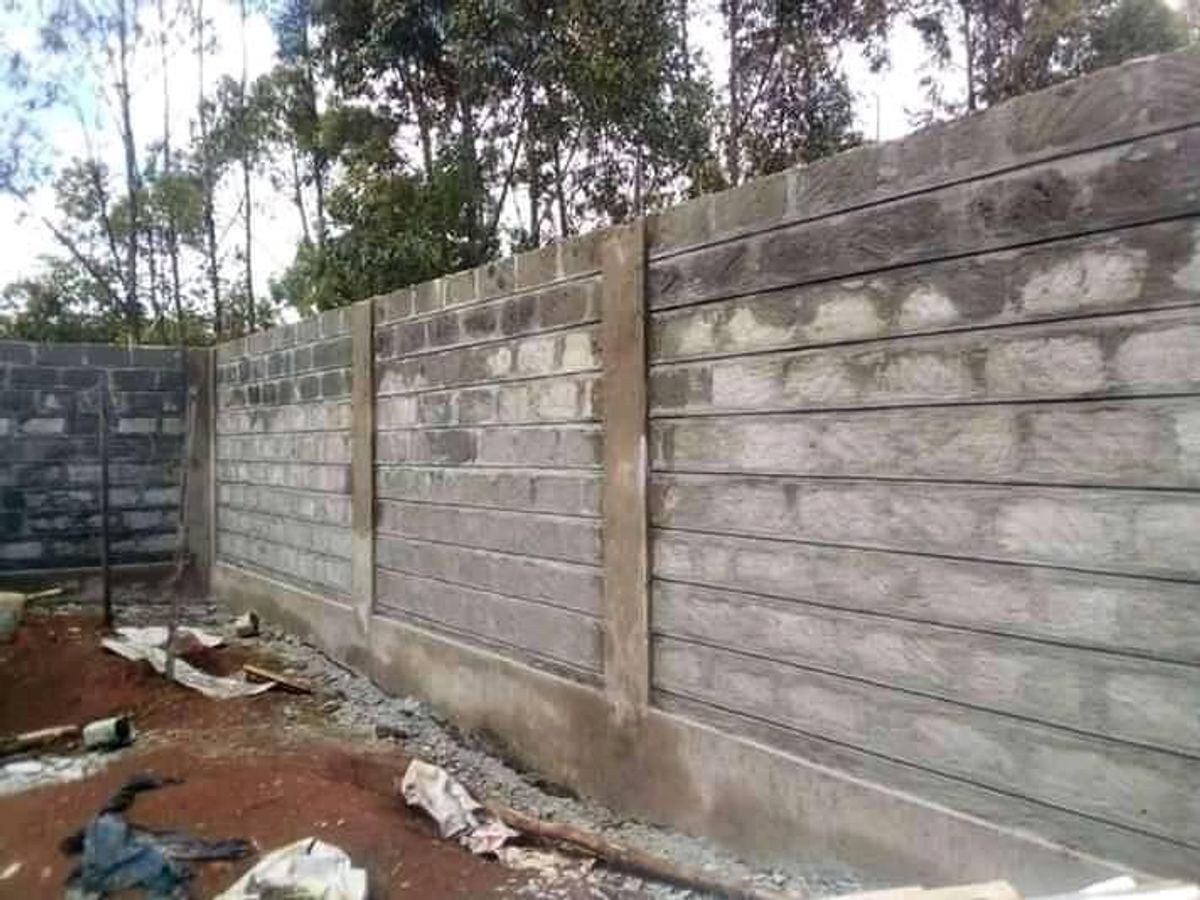
Before you start your next perimeter wall project, make sure the foundation receives the attention it deserves.
Planning a Perimeter Wall Project in Kenya?
Wings Contractors provides professional construction and perimeter wall solutions designed around your property's requirements.
Ready to explore the different options available? Check out our Types of Perimeter Walls in Kenya: Which One Is Best for Your Property? to compare popular wall types and find the right option for your property.
Contact Wings Contractors for a site assessment and discuss the best foundation and perimeter wall solution for your project.
Wings Contractors – Building Quality. Creating Value.
📞 Phone: +254 740 800 483 / +254 720135547
🌐 Website: https://wingscontractors.com/